NewEarthCorps

RESEARCH FOR RESILIENCE

Technology &

Research

New Earth Corps researches, evaluates, and advances technologies that strengthen preparedness, save lives, and build a more resilient future.

4

Research Areas

Technologies Evaluated

Preparedness Research

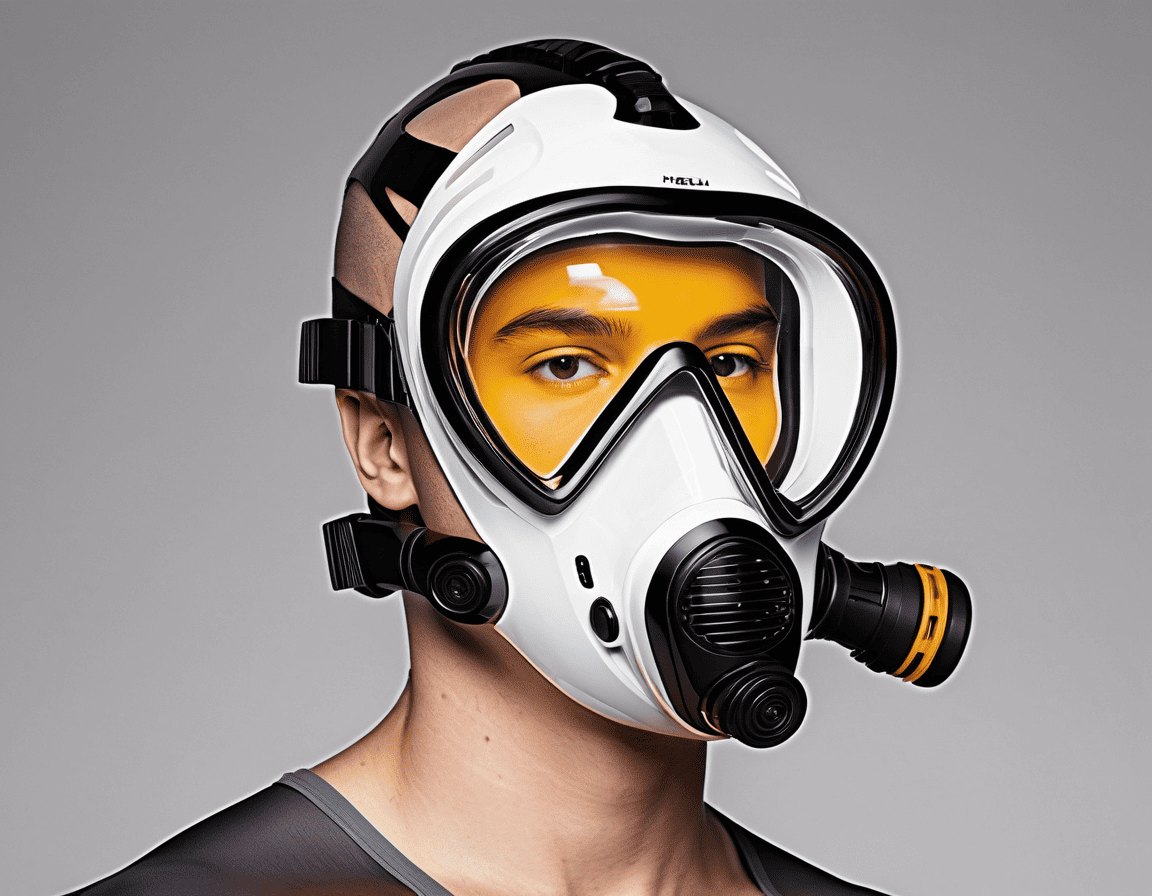
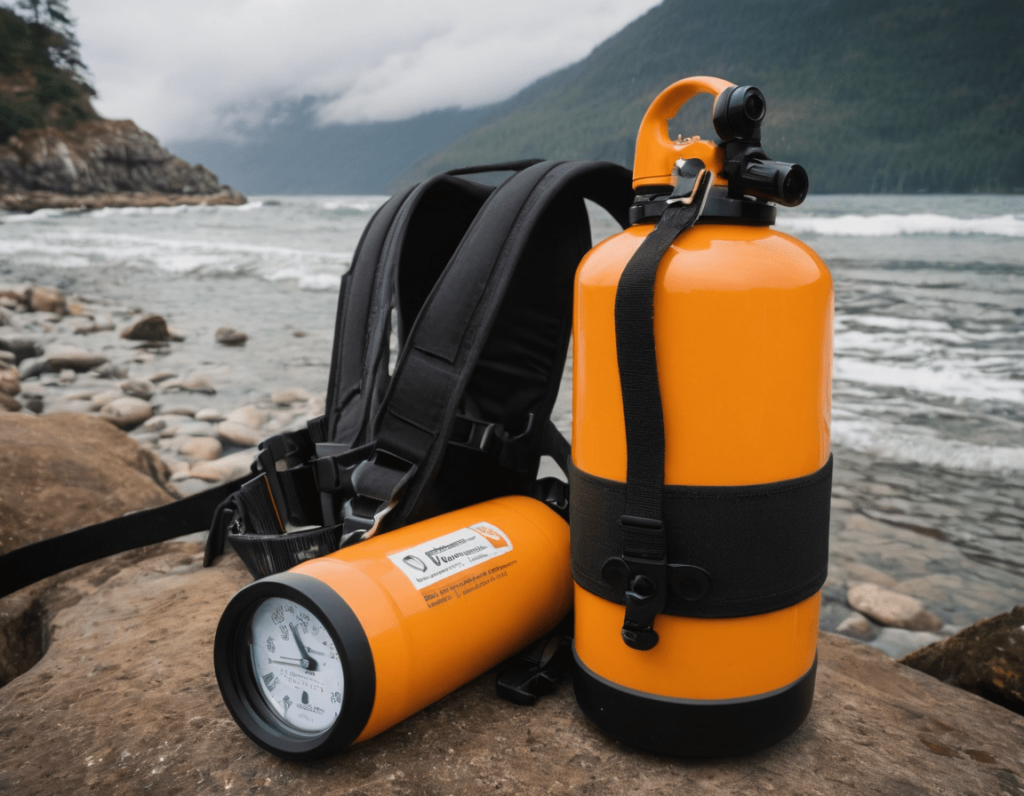
Emergency Breathing Devices

Life-saving respiratory solutions for critical situations.

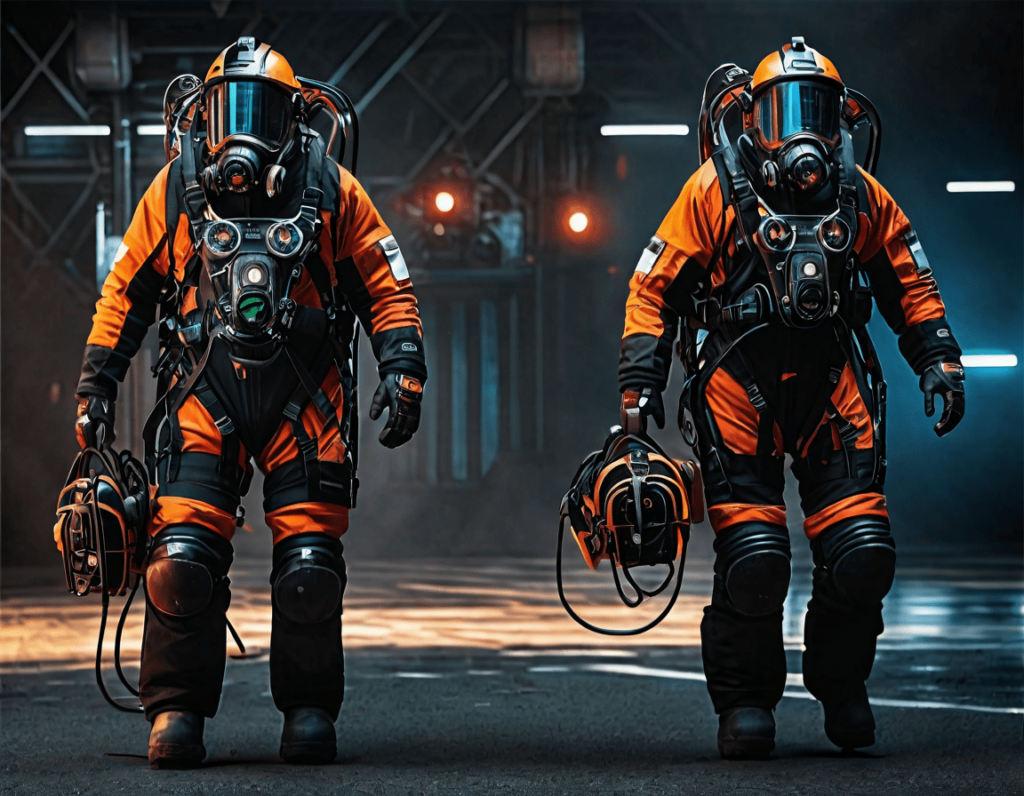
Advanced Suits

Protective gear for extreme environments and hazards.

Ancient Technology Search

Exploring innovations from ancient civilizations for modern insights.

Materials Science

Advanced materials for tomorrow's resilience and sustainability.

Emergency Breathing Devices

Emergency breathing devices provide vital respiratory support in emergencies where normal breathing is impossible. Key types include Self-Contained Breathing Apparatus (SCBA), Emergency Escape Breathing Devices (EEBD), and air-purifying respirators (APR). These devices are crucial for firefighters, rescue workers, divers, and industrial personnel, ensuring access to clean air in hazardous situations. Proper training and regular maintenance are essential for their effective use.

Advanced Suits

Advanced suits are protective gear designed for extreme environments, offering safety from hazards like extreme temperatures, pressure, and toxins. Used in space exploration, deep-sea diving, and firefighting, they feature thermal insulation, reinforced materials, and life support systems. Continuous innovations enhance their protection and comfort for critical tasks in challenging conditions.

Ancient Technology Search

Ancient technology refers to the innovations and tools developed by early civilizations. Examples include the pyramids of Egypt, Roman aqueducts, and the Antikythera mechanism from ancient Greece. These technologies showcase the ingenuity and advanced understanding of engineering, astronomy, and materials by ancient peoples, providing valuable insights into their daily lives and cultural practices.

Materials Science

Materials science is the study of the properties, structure, and applications of various materials, including metals, ceramics, polymers, and composites. It focuses on understanding how materials behave and how they can be improved for specific uses. This field is crucial for developing new technologies and improving existing ones, impacting industries such as aerospace, electronics, healthcare, and construction.

Scroll to Top